

Malaria in Maryland: First local case in decades alarms health officials

Malaria detected in Maryland
Maryland is reporting its first malaria infection in more than 40 decades. State health leaders say a person living in the state was bit by a mosquito locally. FOX 5 reporter Nana-Sentuo Bonsu is in Rockville with the latest.
ROCKVILLE, Md. - Maryland has confirmed a case of locally acquired malaria in the state for the first time in more than 40 years, the state's health department said Friday.
Maryland officials said the individual, who was hospitalized and is now recovering, did not travel outside the United States or to other U.S. states with recent locally acquired malaria cases.
Featured
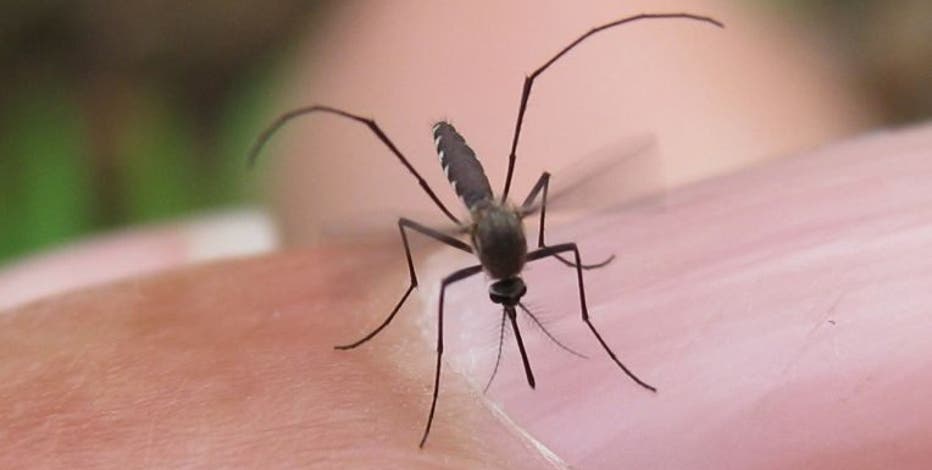
Malaria cases in Texas and Florida are the first US spread since 2003, CDC says
There were four cases detected in Florida and one in Texas, according to a health alert issued Monday by the Centers for Disease Control and Prevention.
"Malaria was once common in the United States, including in Maryland, but we have not seen a case in Maryland that was not related to travel in over 40 years," said Maryland Department of Health Secretary Laura Herrera Scott. "We are taking this very seriously and will work with local and federal health officials to investigate this case."
Malaria is a mosquito-borne disease caused by a parasite. More than 2,000 cases of malaria are reported annually in the U.S., according to the Centers for Disease Control and Prevention, with most cases occurring in people returning from international travel.
"Malaria can be very dangerous and even fatal if it is not treated, but early treatment reduces the chances of complications," said Deputy Secretary for Public Health Services Dr. Nilesh Kalyanaraman. "We urge the public to take precautions against mosquito bites, and if you develop symptoms after traveling abroad, seek urgent medical care."
In June, the CDC reported that four cases of malaria were detected in Florida and one case in Texas in the previous two months - the first time there had been local spread in the U.S. in 20 years.
U.S. Senators Ben Cardin and Chris Van Hollen (both D-Md.) released the following joint statement:
"Team Maryland has been in touch with Gov. Wes Moore’s office and the Centers for Disease Control and Prevention (CDC) regarding the locally acquired malaria case recently discovered in our state. We stand ready to facilitate federal support for the state or local governments, including financial and technical assistance as necessary. We appreciate that the governor and CDC already are working closely to respond to this situation. We send our thoughts for a speedy recovery to the individual affected and their family.
"The CDC has said that the risk of locally acquired malaria remains extremely low in the United States. To Marylanders, the best thing you can do to protect yourself, your family, and your community is to continue using your mosquito-borne disease prevention strategies, like using Environmental Protection Agency (EPA)-registered insect repellents, emptying any standing water at least once a week, and using screens on windows and doors.
"We will continue to stay in close contact with state and local officials as we monitor this situation and work together to keep Marylanders safe."
The Associated Press contributed to this report.