

2026 Election: What Arizona ballot measures mean for voters
From grocery tax caps and vehicle mileage fees to school sports and speed cameras, Arizona voters face major ballot decisions this November. Here's your breakdown of all eight propositions.
Prop 141
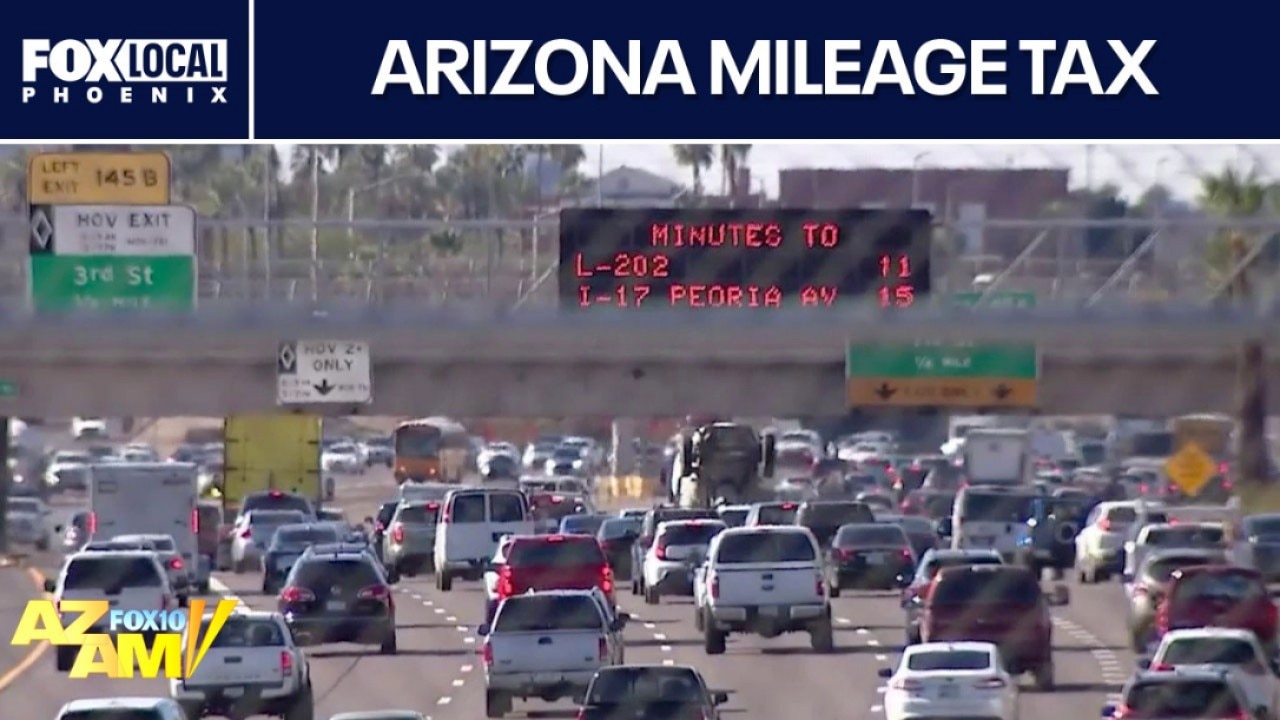
Prop 141: How it would affect Arizona drivers
On Nov. 3, Arizona voters will decide on Proposition 141, a ballot measure that deals with how and if the government can tax how much you're driving.
Proposition 141 reached the ballot through a legislative referral supported by state Republican lawmakers and mostly opposed by Democrats.
The proposition would amend the Arizona Constitution to ban taxes or fees based on vehicle miles traveled and limit government travel monitoring.
The proposal comes as Arizona's 18-cent gas tax revenue declines due to increasing vehicle fuel efficiency and a rise in electric vehicles.
Prop 142
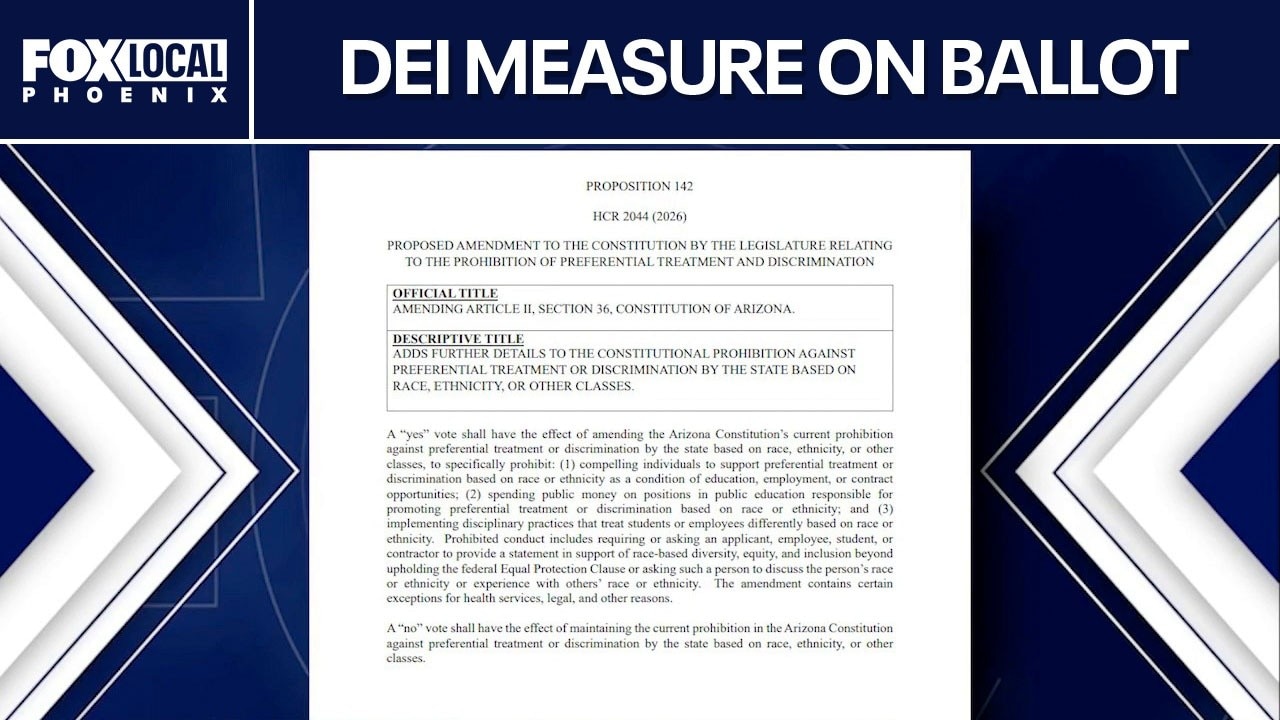
Prop 142: Arizona voters to decide on race and DEI limits
Proposition 142 adds new details to a current constitutional amendment that prohibits preferential treatment or discrimination by the state based on race, ethnicity, or other classes.
Arizona voters will decide at the Nov. 3 general election whether to amend the state constitution to expand restrictions on preferential treatment, discrimination, and race-based programs.
The measure, House Concurrent Resolution 2044, passed the House on Feb. 23, 2026, and the Senate on June 12, 2026, placing Proposition 142 on the ballot.
If approved, the amendment would bar public entities from requiring statements supporting race-based preferential treatment, funding DEI offices, mandating related trainings, or using race-based discipline policies.
Prop 144
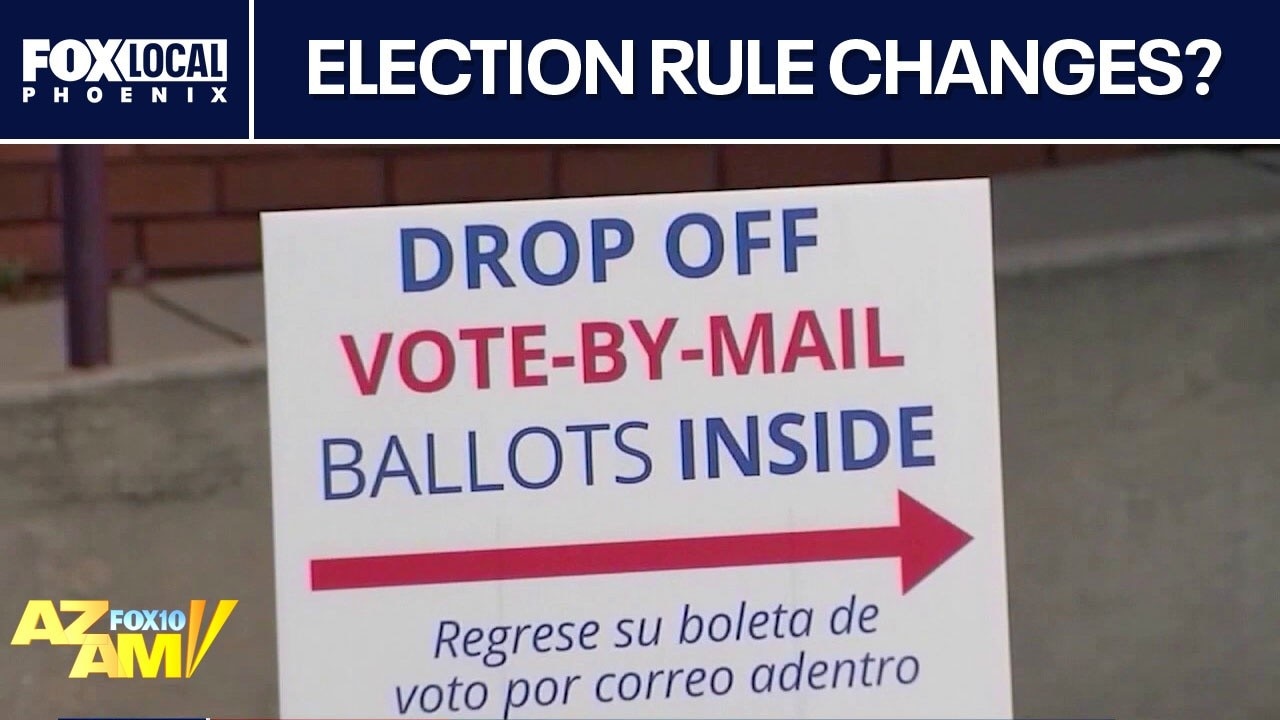
Prop 144 proposes major changes to election, voter ID rules
Proposition 144 would require voters to present government-issued identification for all voting methods, including mail-in ballots.
Proposition 316 is a legislatively referred state statute that would cap local grocery sales taxes at 2% and require voter approval for any new or increased local grocery taxes.
The policy applies strictly to essential grocery store items like bread, milk and eggs — not restaurant meals.
Proponents call it essential relief from rising food prices, while opponents argue it strips local communities of their decision-making power and harms rural town budgets.
Prop 316
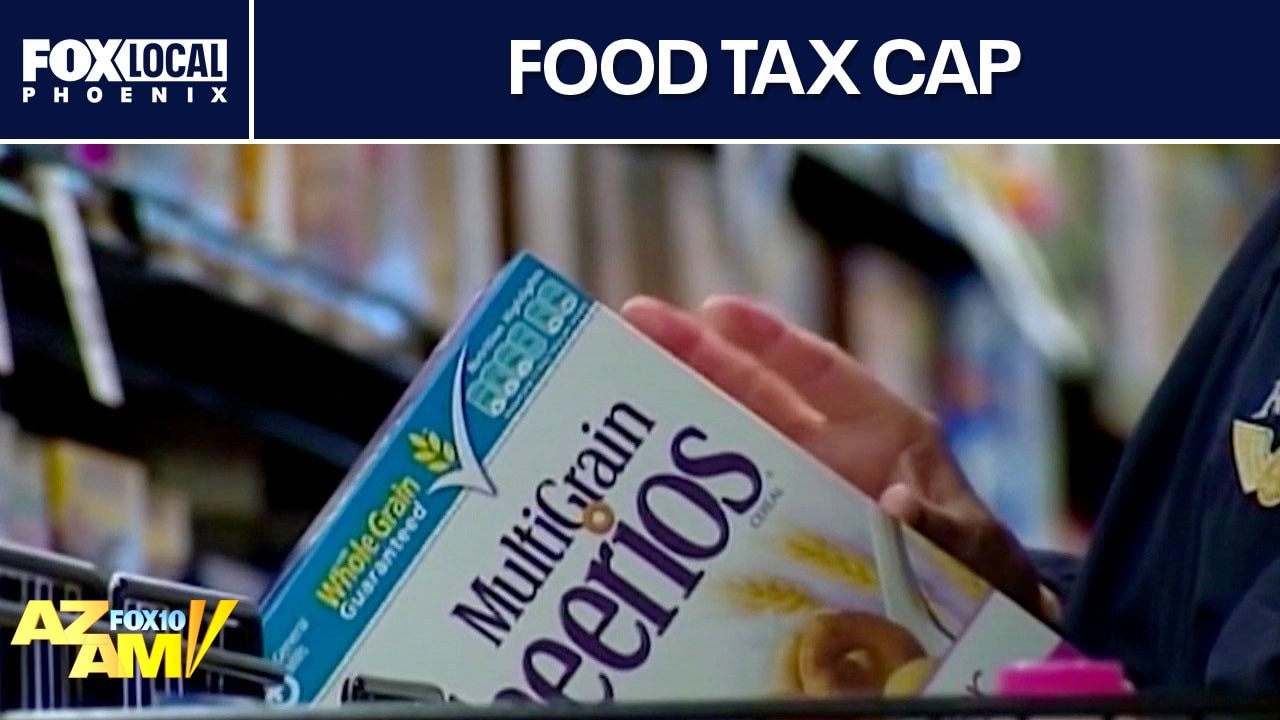
Arizona Prop 316 grocery tax measure on ballot
Proposition 316 prohibits local governments from adopting or increasing a tax on groceries without voter approval. It would also cap any new or increased tax to 2%.
Proposition 316 is a legislatively referred state statute that would cap local grocery sales taxes at 2% and require voter approval for any new or increased local grocery taxes.
The policy applies strictly to essential grocery store items like bread, milk and eggs — not restaurant meals.
Proponents call it essential relief from rising food prices, while opponents argue it strips local communities of their decision-making power and harms rural town budgets.
Prop 317
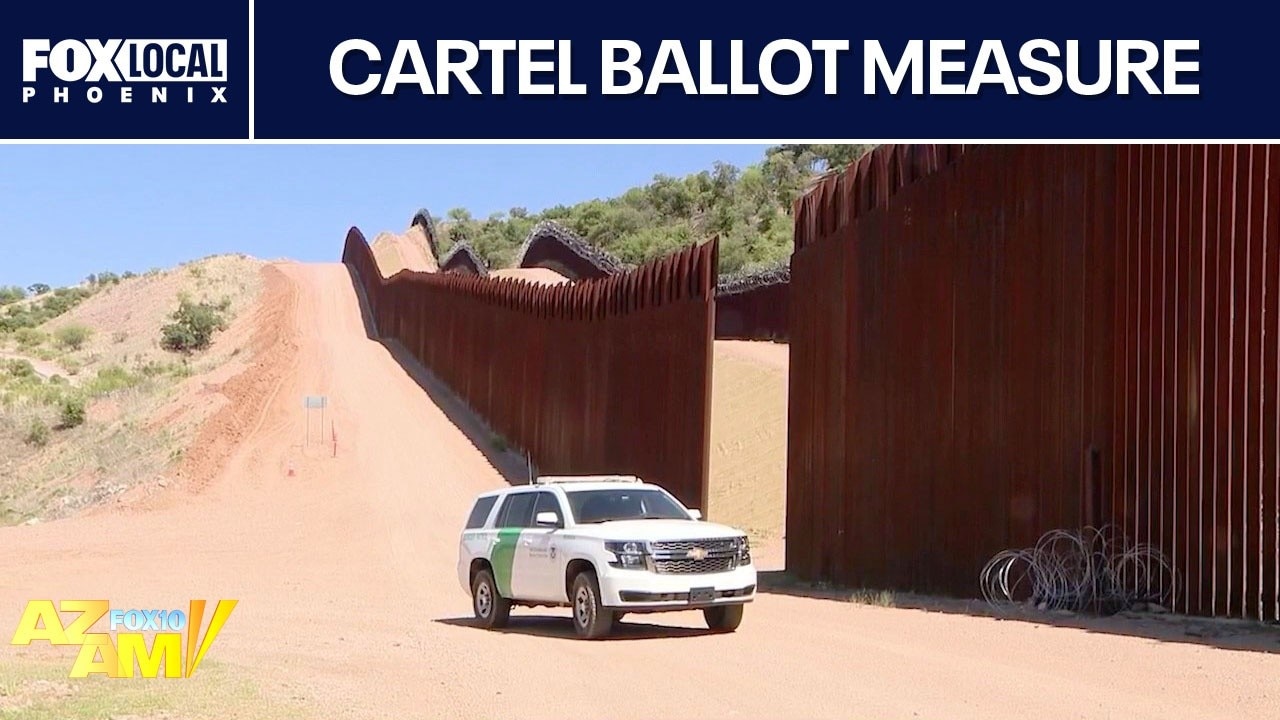
Prop 317 targets drug cartels as terrorist groups
Proposition 317 officially declares drug cartels as terrorist organizations and directs the Arizona Department of Homeland Security to use all authority to crack down on them.
Proposition 317 defines drug cartels as terrorist organizations and directs the Arizona Department of Homeland Security to crack down on them.
Supporters say the bill will make the state safer, while opponents believe labeling drug cartels as terrorist organizations is a responsibility of the federal government.
Support for the proposition fell strictly along party lines, with Republicans voting in favor and Democrats opposed, following a similar bill vetoed by Gov. Katie Hobbs in 2023.
Prop 318
Prop 318 would expand biological sex rules for school sports
Prop 318, known as the Protect Girls Sports Act, is on the ballot in Arizona. Voters will decide on expanding restrictions for sports teams and school restrooms statewide.
Arizona voters will decide on Proposition 318 in the upcoming November election, a ballot measure regulating participation in school sports and access to private athletic spaces based on biological sex recorded at birth.
A "no" vote maintains current state law, which prohibits male students from joining female teams, but does not define biological sex or restrict access to restrooms, locker rooms, or showers.
Supporters argue the measure preserves safety and fair competition for female athletes, while opponents contend it is discriminatory and could lead to harassment and invasive verification.
Prop 319
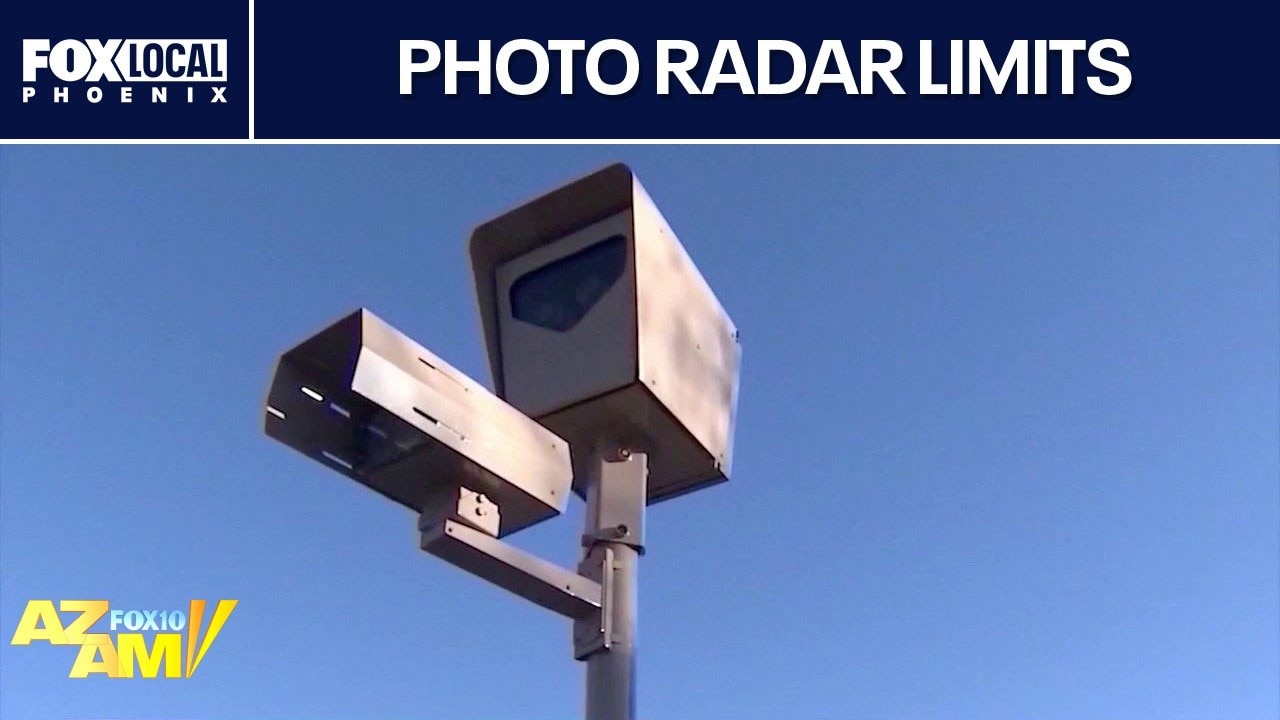
Arizona voters to decide future of photo enforcement
Proposition 319 prohibits state agencies and local governments from installing new photo radar systems, though it leaves the door open to maintain existing cameras.
Arizona voters will decide on Proposition 319 this November, a statewide ballot measure addressing the use of photo enforcement cameras.
The proposition would prohibit new photo enforcement systems without existing contracts by Dec. 31, 2026, and mandate voter re-approval every 10 years.
Proponents argue traffic cameras infringe on privacy rights, while opponents maintain that red-light cameras significantly reduce fatal crashes.
Prop 320
Prop 320: Voters to decide on AZ classroom spending mandate
Proposition 320 would require certain school districts to spend at least 60% of their operational spending on direct instructional expenses.
Proposition 320 is a November ballot measure that would mandate school districts with over 7,500 students or those in Maricopa, Pima, and Pinal counties to allocate at least 60% of operational funds toward direct classroom instruction.
Proponents argue the requirement will refocus taxpayer money on core instruction and teacher compensation through gradual half-percent annual budget adjustments.
Critics warn that because the initiative provides no new revenue, districts will be forced to slash essential non-classroom services like campus safety, busing, building maintenance, and student counseling to avoid state funding penalties.
The Source: Information in this report was gathered from the Arizona Secretary of State's Office 2026 General Election Publicity Pamphlet, official voter guide; House Concurrent Resolution 2044 legislative records from the Arizona House of Representatives and Senate, state legislative records; the Arizona Citizens Clean Elections Commission, nonpartisan state election agency; Gov. Katie Hobbs, Arizona governor; the Arizona Department of Homeland Security, state agency; ballot measure analyses from the Arizona Legislative Council, state research agency; vehicle data from the U.S. Department of Energy, federal agency; educational spending and budget analyses from the Common Sense Institute and the Goldwater Institute, policy research organizations; and previous FOX 10 Phoenix reporting.