

MSG myths: Why this food additive gets a bad rap

Rideshare driver travels to all 50 states to try local food, learn about America
Kreskin Torres, a 33-year-old Army veteran, kicked off his adventure in Los Angeles, California, and since then, he has visited 49 states. Soon, he will fly to Honolulu, Hawaii, and rent a car to achieve his 50-state milestone.
For more than five decades, MSG has been cast as a food additive that can make you sick, despite repeated studies proving otherwise.
Monosodium glutamate, also known as MSG, is in almost every processed food on the store shelf, and it shows up in many other foods from tomatoes to breast milk.
So how has the myth endured for so long? It all dates back to the late 1960s and what was once considered a real medical ailment: Chinese restaurant syndrome.
What is MSG?
MSG comes from glutamate, a common amino acid or protein building block found in food, according to Julie Stefanski, a spokeswoman for the Academy of Nutrition & Dietetics.
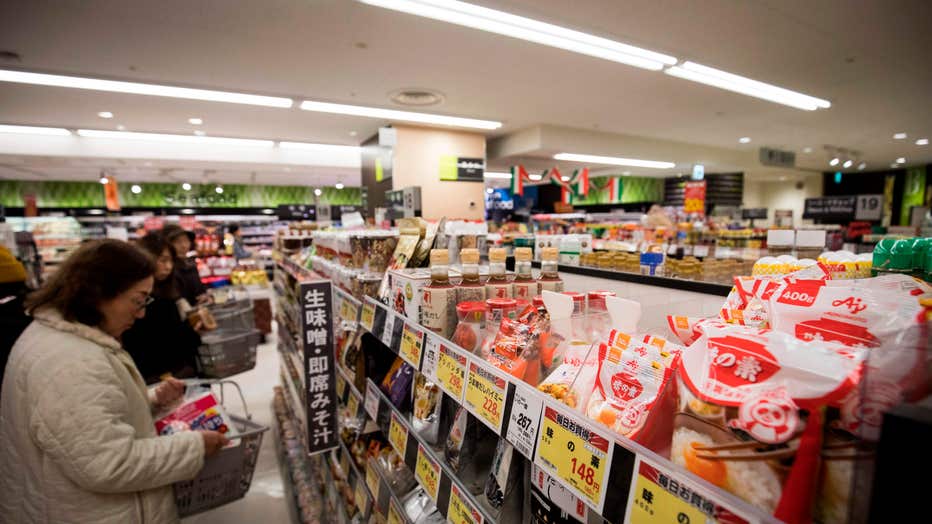
Monosodium glutamate (MSG) products of the Ajinomoto food company (R) are displayed at a supermarket in Tokyo on January 20, 2020. There are perhaps few condiments as controversial as MSG, but most scientists say it's safe, and now Japanese firm Ajin
Glutamate is present in foods like ham and some cheeses, and the U.S. Food and Drug Administration says glutamate is also naturally occurring in humans.
How did MSG get a bad rap?
It started with a letter to the New England Journal of Medicine in 1968, according to Robert Ku, author of "Dubious Gastronomy: The Cultural Politics of Eating Asian in the USA." Dr. Ho Man Kwok, who was Chinese American, wrote a letter speculating that some Chinese restaurants left him feeling numbness and other symptoms. Other readers, doctors themselves, then wrote in saying they experienced something similar. Some researchers claimed that MSG was the source, Ku said. The journal’s editors decided to call it "Chinese restaurant syndrome."
READ MORE: How long can food sit out? Your summer picnic guide
"For a long time, Chinese restaurant syndrome was considered a legitimate ailment that the medical community seemed to back," Ku said.
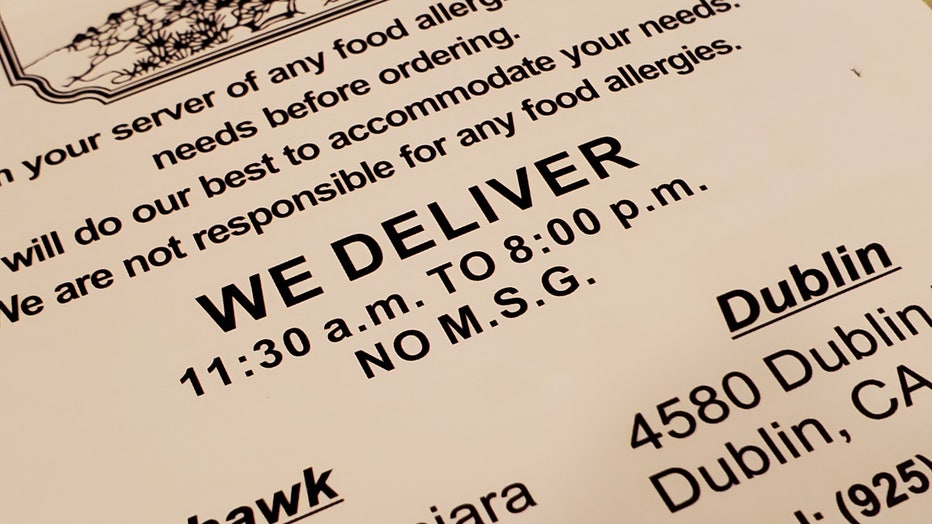
Close-up, detail view of text on Chinese food restaurant menu stating NO MSG, referring to a lack of the flavoring chemical monosodium glutamate in the restaurant's food, Danville, California, December 25, 2019. (Photo by Smith Collection/Gado/Getty
The New York Times picked up on the debate. Chinese restaurants everywhere were putting up signs and menus that said "No MSG" because of the backlash.
It wasn’t until the 1990s that specialists doing more research began disproving the syndrome, Ku said. They found MSG was in just about every processed food.
"It made no sense that only Chinese food that has MSG causes these ill effects but you can’t get it from Campbell’s Soup," Ku said.
Is MSG safe to eat?
The FDA says MSG is generally recognized as a safe addition to food.
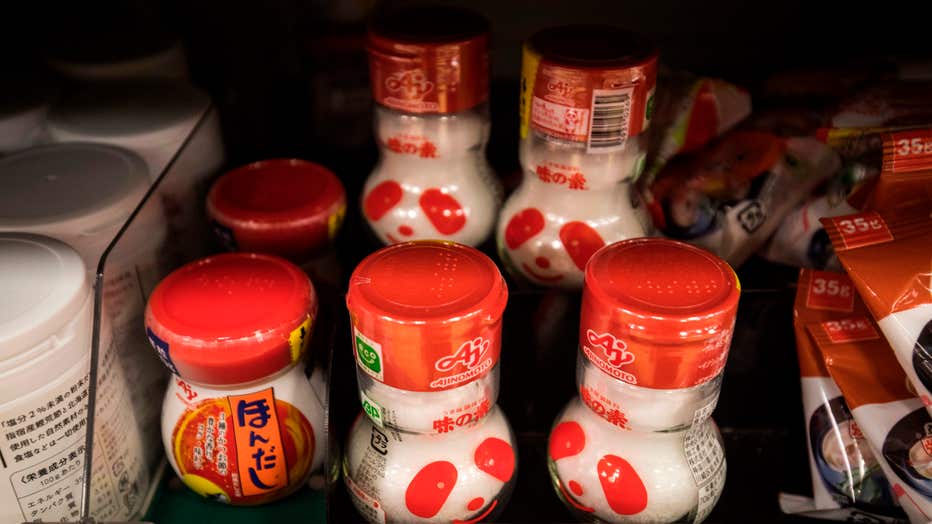
Monosodium glutamate (MSG) products of the Ajinomoto food company are displayed at a supermarket in Tokyo on January 20, 2020. There are perhaps few condiments as controversial as MSG, but most scientists say it's safe, and now Japanese firm Ajinomot
In previous studies with people identifying as sensitive to MSG, researchers found that neither MSG nor a placebo caused consistent reactions, the agency said.
Does the "glutamate" in MSG mean it has gluten?
Glutamate or glutamic acid has nothing to do with gluten, according to the FDA. If someone with Celiac disease reacts to soy sauce, for example, it’s likely from the wheat and not the MSG.
There’s no difference between the glutamate in MSG and the glutamate found in foods.
The Food and Drug Administration (FDA) logo is seen displayed on a smartphone. (Photo Illustration by Rafael Henrique/SOPA Images/LightRocket via Getty Images)
"Our bodies ultimately metabolize both sources of glutamate in the same way," the FDA says.
An average adult eats about 13 grams of glutamate each day from the protein in food, and about .55 grams per day of added MSG.
How can I tell if there is MSG in my food?
The FDA requires foods with added MSG to be labeled as such, but for foods that naturally contain MSG (and there are many), there’s no real way to know unless the product explicitly states there’s no MSG.
READ MORE: WHO: Stop using sugar substitutes for weight loss
The FDA doesn’t require food labels to specify that some products naturally have MSG, but the agency also doesn’t allow foods with naturally occurring MSG to be labeled as having "No added MSG." MSG also cannot be listed as "spices and flavoring."
MSG can be found in countless ingredients, including hydrolyzed vegetable protein, autolyzed yeast, hydrolyzed yeast, yeast extract, soy extracts and protein isolate, among others, according to the FDA.
The Associated Press contributed to this report.