

Produce pesticides: Report details the cleanest and dirtiest fruits, vegetables
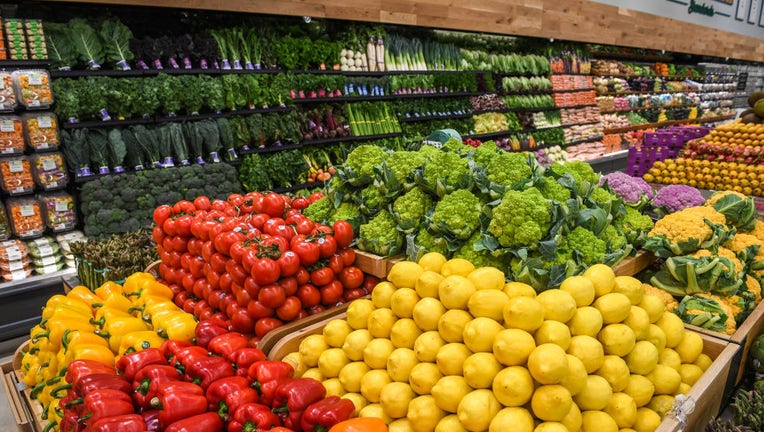
FILE - Produce is stacked neatly inside a Whole Foods Market in Commack, New York on April 2, 2019. (Photo by Steve Pfost/Newsday RM via Getty Images)
Blueberries and green beans have joined the likes of strawberries, spinach and other nonorganic produce with the most pesticides, a newly published report states.
In fact, nearly 75% of nonorganic fruits and vegetables sold in the U.S. contain residues of potentially harmful pesticides, according to findings from Environmental Working Group, a nonprofit advocacy group.
The report, published Wednesday and titled "EWG’s 2023 Shopper’s Guide to Pesticides in Produce," lists what it calls the "Dirty Dozen" – or the 12 fruits and vegetables that were found to be the most contaminated with pesticides.
Blueberries and green beans landed on the Dirty Dozen list for 2023. Both crops were found to have "troubling concentrations" of pesticides that can harm the human nervous system, called organophosphate insecticides, although the levels have decreased over the past decade, the EWG said.
Furthermore, several samples of green beans had residues of the toxic pesticide acephate, which the EPA banned more than 10 years ago from use on green beans grown for food, according to the report.
More than 90% of samples of strawberries, apples, cherries, spinach, nectarines and grapes tested positive for residues of two or more pesticides, while kale, collard and mustard greens, hot peppers and bell peppers had the most pesticides detected of any crop.
RELATED: Reusable water bottles hold 40,000 times more bacteria than toilet seat, study finds
EWG’s analysis also highlights the "Clean Fifteen," or the 15 items with the lowest amounts of pesticide residues. This year, cantaloupe was removed from the clean list, and carrots were added.
Avocados and sweet corn were found to be the cleanest produce with less than 2% of samples showing any detectable pesticides.
The EWG analysis is based on data from 46,569 samples of 46 fruits and vegetables. The produce testing was done by both the U.S. Department of Agriculture and U.S. Food and Drug Administration in 2021 and up to 10 years earlier, except for pineapple data, which is from 2002.
The EWG’s report added how the USDA peels or scrubs and washes produce samples before testing, whereas the FDA "only removes dirt" before testing its samples. Even after these steps, the tests still found traces of 251 different pesticides.
While eating fresh produce is essential to a healthy diet, multiple scientific studies have shown links between pesticides and human health issues, including concerns for the youngest Americans.
"Any exposure to pesticides is a problem, given what we know about several ways they can harm humans," the EWG said in its report. "But the findings are particularly concerning for children, who are particularly vulnerable to many of the health harms associated with pesticide exposure."
Research from Harvard University has shown that eating fruits and vegetables with high levels of pesticide residues may actually lessen the benefits of their consumption, including protection against cardiovascular disease and death.
In its report, the EWG detailed how "much stricter federal regulation and oversight of these chemicals is needed."
Pesticide residues are highly regulated by the EPA, FDA, and USDA. Although some residues may remain at the time of harvest, they tend to decline as the pesticides break down over time, according to the National Pesticide Information Center (NPIC).
As the produce is washed and processed prior to sale, the NPIC says that residues "often diminish further." Still, some pesticide residue can remain on food after purchase.

Kale, strawberries, spinach top 2019 ‘Dirty Dozen’ list for pesticide contamination
Kale, the popular vegetable that serves as a staple in "clean eating" meal plans made it onto the Environmental Wellness Group’s annual ranking of the most pesticide-ridden fruits and vegetables, otherwise known as the "Dirty Dozen."
The 2023 ‘Dirty Dozen’
These 12 fruits and vegetables were found to be the most contaminated with pesticides, out of the 46 items included in EWG’s analysis:
- Strawberries
- Spinach
- Kale, collard and mustard greens
- Peaches
- Pears
- Nectarines
- Apples
- Grapes
- Bell and hot peppers
- Cherries
- Blueberries
- Green beans
The 2023 ‘Clean Fifteen’
These 15 items had the lowest amounts of pesticide residues, according to EWG’s analysis of the most recent USDA data:
- Avocados
- Sweet corn
- Pineapple
- Onions
- Papaya
- Sweet peas (frozen)
- Asparagus
- Honeydew melon
- Kiwi
- Cabbage
- Mushrooms
- Mangoes
- Sweet Potatoes
- Watermelon
- Carrots
Can you clean pesticides off of produce?
Washing produce under running water is better than dunking it, according to the National Pesticide Information Center. Peeling or scrubbing produce like potatoes with a clean brush or rubbing soft produce like peaches while holding them under running water works best to remove residues.
The FDA does not recommend using detergents or soaps, as fruit and vegetables have pores and can absorb some of these products, the NPIC adds.

What are PFAS, the concerning 'forever chemicals?'
PFAS are increasingly being found unnaturally in water sources, food, and animals.
Consumers may also choose to buy organic foods, which are grown and processed without synthetic pesticides and fertilizers. However, the NPIC notes that organic food is not fully pesticide-free.
"Food with a USDA organic symbol has been largely produced without man-made pesticides or other man-made products," the NPIC states on its website. "Only organic pesticide ingredients can be used on foods that are certified organic, with very few exceptions."
The NPIC recommends eating a variety of fruits and vegetables to minimize the potential exposure to a single pesticide, and be sure to thoroughly wash all produce – even those labeled organic and produce that will be peeled before eating.
Click here for more tips to reduce pesticide residues – as well as dirt and bacteria – on foods.
This story was reported from Cincinnati.