

2026 Election: Arizona Congressional District 2 explained: What to know about the race
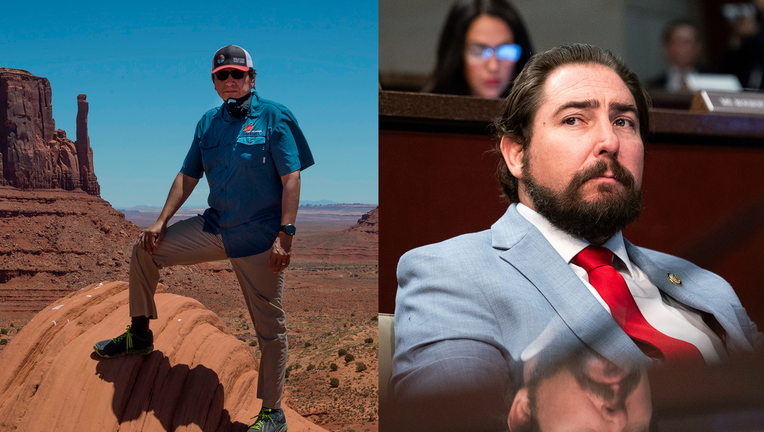
Left: President of the Navajo Nation Jonathan Nez stands in the Monument Valley Tribal Park. Right: Representative Eli Crane, a Republican from Arizona, during a House Oversight and Accountability Committee hearing in Washington, DC, US, on Thursday,
PHOENIX - Arizona voters across the state’s expansive 2nd Congressional District will make the final decision this election season as a Republican incumbent defends his seat against two challengers.
Where is Arizona's 2nd Congressional District?
Arizona's CD-2 covers a massive swath of northern and eastern Arizona. The sprawling district spans rural towns, ranching communities and several tribal nations throughout all of Apache, Coconino, Gila and Navajo counties, as well as portions of Graham, Maricopa, Mohave, Pinal and Yavapai counties.
According to the Arizona Independent Restricting Commission website, the total citizen voting age population is about 593,000, with voters leaning toward Republican. About 46% of those in the district voted for Democratic candidates, while 54% voted for the Republican candidates.
Who are the candidates?
With the race drawing statewide and national attention, voters are weighing competing visions on the cost of living, border security, federal land management, water access and government accountability. Running for CD-2 are incumbent Republican Eli Crane, Democrat Jonathan Nez and Libertarian Curtis Goodwin.
Eli Crane (R)
Trump-endorsed Representative Eli Crane, a Tucson native and former Navy SEAL who completed five wartime deployments before building a nationally known veteran-owned manufacturing business, says he is campaigning on his record as an outsider challenging Washington’s status quo. Since taking office, the freshman Republican has pushed legislation to ban members of Congress from trading stocks, eliminate federal taxes on tips, overtime and Social Security, and accelerate federal recovery aid for rural communities impacted by recent wildfires like the White Sage and Dragon Bravo fires. Crane has made border enforcement a central pillar of his platform, calling to codify Trump-era border security policies, finish the border wall and deploy advanced detection technology to stop the flow of illicit fentanyl, while resisting federal green energy projects that he argues drive up rural utility bills.
Jonathan Nez (D)
Challenging the incumbent is Jonathan Nez, who served as President of the Navajo Nation and brings a platform centered on rural economic development and cross-aisle cooperation. Born in Tuba City and raised in Shonto in a home without electricity or running water, Nez highlights his executive background negotiating water rights with the Trump administration and breaking with party lines to protect local energy jobs as evidence of his pragmatic approach. Running on his "Warrior Up Agenda" — a four-pillar framework rooted in traditional Navajo principles — Nez is pledging to lower household costs for healthcare, housing and utilities, protect Arizona’s water and agricultural supplies, direct federal funds into long-overdue rural roads and bridges, and strengthen ethics laws in Washington while preserving tribal sovereignty.
Curtis Goodwin (L)
Rounding out the ballot is Libertarian candidate Curtis Goodwin, a 42-year-old KOA maintenance technician and Mesa native who is pitching himself as a working-class alternative to political division. Drawing on his background across multiple blue-collar trades, including construction, plumbing, automotive maintenance and food service, Goodwin emphasizes a governance philosophy anchored in human dignity, accountability and constitutional balance. While Goodwin advocates against unnecessary federal intervention in emerging technologies like artificial intelligence and opposes federalizing election laws, he supports strictly enforced legal pathways at the southern border, aggressive penalties for human and drug trafficking networks, expanded school choice and measured federal protections against discrimination that respect personal freedoms.
Featured
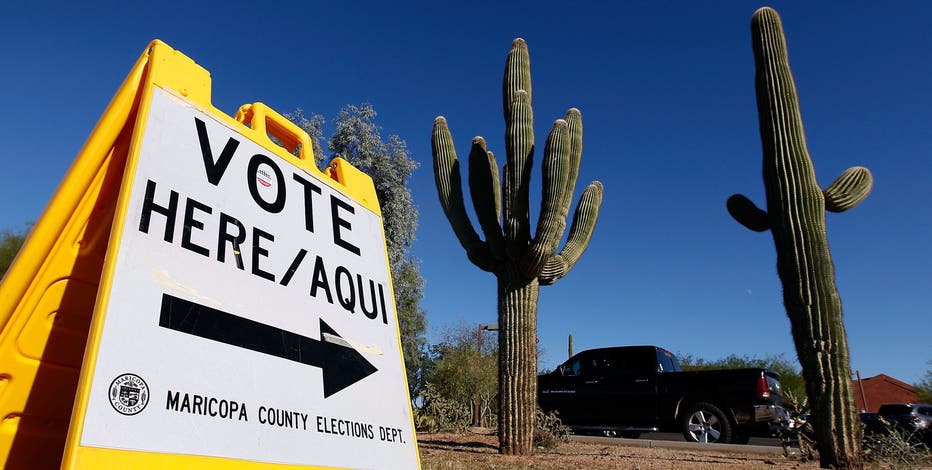
Arizona 2026 voter checklist: Important deadlines, ID rules, and voting options
Everything you need to know to make your voice heard. Get the facts on mail ballot cutoff dates, emergency voting hours, and reporting election violations.
When is the general election?
According to the Secretary of State's Office, the general election will take place on Nov. 3, 2026. Polling locations will be open from 6 a.m. to 7 p.m.
How can I check to see if I am registered to vote?
You can check your voter registration status on the Arizona.vote website.
How can I track my ballot?
Voters can track their early ballot on the Arizona Secretary of State's Office website.
Where can I see the results?
Voters can view the live ballot tabulation video feed, the latest results, and even previous results on the AZ Clean Elections website.
The Source: Information in this report was gathered from official candidate campaign platforms, public biographical entries in the Biographical Directory of the United States Congress, survey responses published in the Arizona Voter Guide, and the Arizona Independent Restricting Commission website.